A Complete Guide to Making Healthier, More Sustainable Food Choices in India
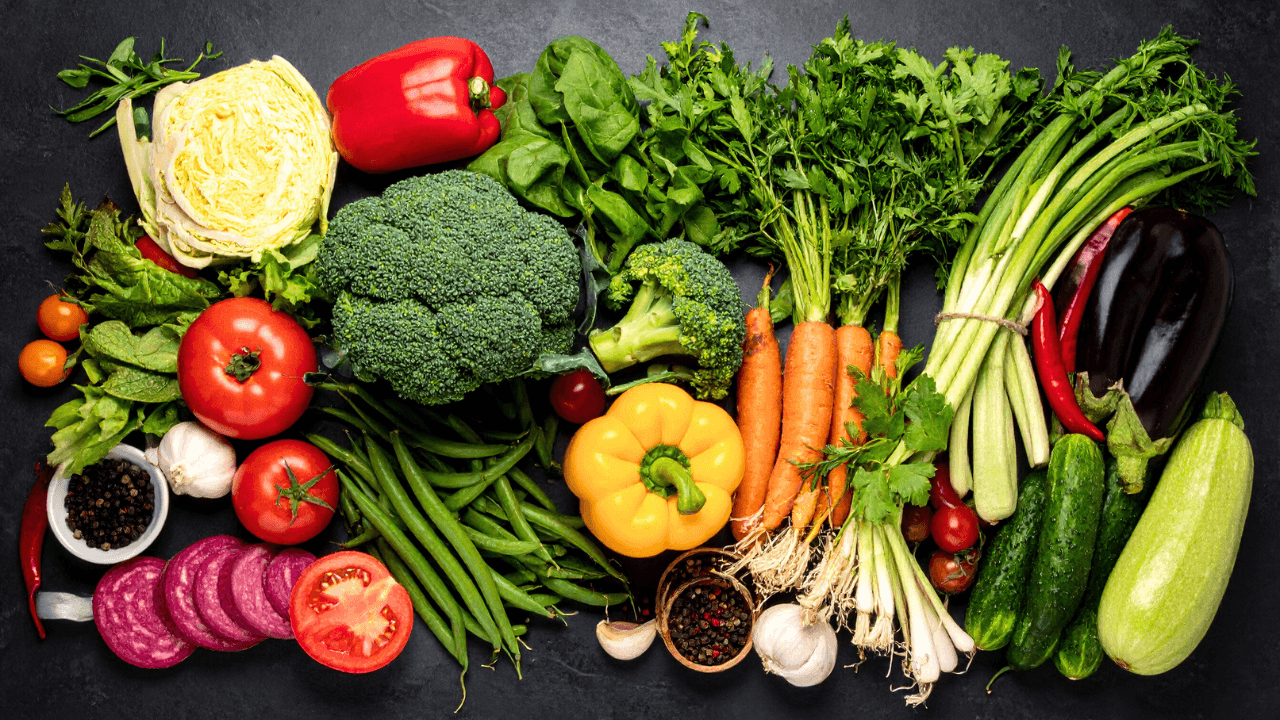
Today, when you go to a sabzi mandi or supermarket, you have to choose between organic Vegetables and food. But your grandparents never had to make that call becuase they were always eating fresh and 100% organic food. The brilliant red tomato or fresh palak may appear the same as the organic one, but there are big differences that could affect your family’s health, your kids’ future, and the soil that nourishes our country.
The Indian organic food market has increased a lot, reaching ₹2,303 crore in 2024, and it is still increasing day by day. According to Nielsen study which indicated that 63% of Indian customers are willing to spend more for organic food, which is even more significant. Organic isn’t just a trend in metro cities; it’s a movement started by families in tier-2 and tier-3 cities who are asking hard questions about what they eat.
The Health Equation: What Science Actually Tells Us
Let’s talk about the big issue. Are organic vegetables worth the extra money now days ? the people are more worried about pesticides and other harmful chemicals in Indian produce? The answer, which is based on scientific evidence and supported by health officials around the world, is strong.
Less exposure to pesticides is a big worry for Indian families.
Studies in international medical publications demonstrate that people who eat organic food have substantially less pesticides in their bodies. The Mayo Clinic also found that those who eat more organic food are less likely to have non-Hodgkin lymphoma, which is a type of cancer that is most common in people who are directly exposed to pesticides.
This is even more important for Indian households. We eat vegetables every day in sabzis, parathas, and dal’s, which means we are more likely to come into contact with pesticides and other harmful chemicals than those in the West. The FSSAI says that even organic food in India can have up to 5% maximum amount of insecticide residues, but regular food which we eat often has more than safe amounts.
More Than Just Chemical-Free: Nutritional Benefits
The Organic Center looked at 85 research studies in 2024 and found some surprising information about the healthiness of organic foods. We’re dealing about a lot more vitamins, minerals, and antioxidants here, so these variations are not small:
| Vegetable | Organic Advantage | Increase (%) |
|---|---|---|
| Palak (Spinach) | Vitamin C & Lower Nitrates | Significantly Higher |
| Gajar (Carrots) | Vitamin C, Iron, Magnesium | Significantly Higher |
| Tamatar (Tomatoes) | Lycopene & Antioxidants | Up to 50% Higher |
| Aam (Mangoes) | Vitamin A & Beta-Carotene | Notably Higher |
| Bhindi (Lady’s Finger) | Vitamin C, K & Folate | Higher Levels |
Source: International Organic Research Studies (2024)
These things help our bodies work right, fight off illness, and keep our immune systems strong. This is really important because more and more individuals in India are getting lifestyle diseases like diabetes and high blood pressure.
Who Gets the Most Out of Organic Vegetables?
Expecting mothers and kids who are growing up
If you’re pregnant or have young kids at home, it’s even more important to switch to organic foods. The Mayo Clinic says that pregnant women would do better if they eat organic foods because pesticides have been linked to problems during pregnancy and developmental problems in kids which is not in each scenario.
Indian kids who eat dal-chawal, roti-sabzi, and other traditional dishes with vegetables several times a day may be at risk from long-term exposure to pesticides. Because their bodies are smaller and their systems are still growing, they are especially vulnerable. For an adult, what would seem a small amount could be a considerably larger amount for a youngster who weighs 15 kg.
Anyone Who Cares About Their Long-Term Health
The idea of body load, or the buildup of pesticide residues in our bodies from years of exposure, is getting more attention in medical circles throughout the world. Studies show that this buildup of chemicals could lead to chronic headaches, a weaker immune system, and other major health problems. Some studies demonstrate that switching to organic vegetables can quickly lower the levels of pesticides in the body
The Environmental Case: Safeguarding India’s Agricultural Future
The things you eat have an effect on more than just your kitchen. The organic food market in India is predicted to grow from ₹2,303 crore in 2024 to ₹11,296 crore by 2034. This is more than just what people desire; it’s a vote for farming that is beneficial for the environment.
Sikkim became India’s first totally organic state, showing that organic farming on a broad scale is possible. Madhya Pradesh (8.31 lakh hectares), Maharashtra (10.26 lakh hectares), and Gujarat (8.52 lakh hectares) are in the forefront of the organic revolution. They are showing how old farming knowledge can be used with new organic methods.
Organic farming is good for the environment because it increases biodiversity, makes soil that has been harmed by chemical farming for years better, and lowers greenhouse gas emissions. It’s not just about the environment; it’s also about keeping India’s farming history alive and making sure that future generations have enough food.
The Smart Shopper’s Guide: When to Buy Organic
Indian families really do have to stick to a budget. It’s okay if not everyone can afford to buy everything organic. International research helps us figure out which fruits and vegetables have the most pesticides on them. This information is also useful for Indian customers.
The High-Priority List: Buy These Organic When You Can
These veggies, which are often eaten in Indian homes, tend to contain greater levels of pesticide residues. Put these first in their biological forms:
| Priority | Vegetable/Fruit | Why It Matters |
|---|---|---|
| High | Palak (Spinach) | High pesticide use |
| High | Strawberries, Grapes | 90%+ had 2+ pesticides |
| High | Tamatar (Tomatoes) | Daily consumption item |
| High | Shimla Mirch (Bell Peppers) | Multiple pesticide types |
| High | Aloo (Potatoes) | Staple food item |
| Medium | Gobhi (Cauliflower), Patta Gobhi (Cabbage) | Moderate pesticide use |
Source: Global Pesticide Research & Indian Agricultural Practices
Safer Traditional Choices for Families on a Budget
Good news: These fruits and vegetables usually contain less pesticide residue, even when farmed the usual way. This means you can save money:
Pyaz (Onions) • Lehsun (Garlic) • Kheera (Cucumber) • Kaddu (Pumpkin) • Lauki (Bottle Gourd) • Tinda (Round Gourd) • Kachalu (Taro Root) • Kathal (Jackfruit) • Aam (Mango – thick skin) • Mosambi (Sweet Lime) • Santra (Orange) • Ananas (Pineapple)
Do you see the pattern? A lot of them have thick skins or husks that cover the part that may be eaten, or they are root vegetables that don’t come into direct contact with pesticides as much.
How to Make Organic Food fit into Your Budget
There is a significant pricing differential, but it is getting smaller. Direct-to-consumer brands and e-commerce sites have made it easier to purchase organic vegetables. This is how Indian families are making things work:
Ways to Save Money That Work
Buy seasonal vegetables:
Buy veggies that are in season. For example, organic bhindi in the summer or Gajar in the winter costs a lot less than vegetables that are out of season.
Use subscription boxes:
Many organic manufacturers like Tejas Organics Amazon Fresh, Earthy Tales, & Country Delight let you sign up for daily, weekly or monthly subscription and give you 10–20% off.
Shop at local organic mandis:
On weekends, cities like Gurgaon, Delhi, Bangalore, Mumbai, and Pune have their own organic marketplaces. example: GOFM in Gurgaon
Connect with local farmers:
A lot of them utilize organic methods but aren’t certified. Use WhatsApp groups to build direct interactions.
Grow your own:
You can grow tomatoes, chilies, and curry leaves organically even in a little balcony garden. and if you are in Gurgaon you can book your own personal farming space in affordable prices with Tejas Organics. It is like taking a small part of big farm where you can grow your own food.
Compare online platforms:
Always compare before Buying organic vegetables online BigBasket, Amazon Fresh, and stores that just sell organic products often have deals that are better than others. Also don’t forget to checkout Local sellers which are not big brands like amazon and other example Tejas Organics, Earthy Tales, Live organic, Nature’s Soul and many more
What Indian Organic Certifications Mean
FSSAI regulates India’s strong systems for certifying manufactures and sellers of organic food or products. you should look for these certification markers before buying organic vegetables.
Tejas Organics is an Indian brand that offers products manufactured in an FSSAI-certified facility, ensuring compliance with the Food Safety and Standards Authority of India’s quality and safety requirements for food products.
Jaivik Bharat: The Indian Organic Logo for All
The FSSAI’s official mark for organic food in India is the green Jaivik Bharat logo. This mark means that the products have been certified under one of the following:
• National Programme for Organic Production (NPOP): The Ministry of Commerce runs this program for organic produce that is good enough to be exported.
• Participatory Guarantee System (PGS-India): Implemented by Ministry of Agriculture, focuses on domestic market with farmer participation.
What Certification Really Guarantees:
✓ No chemical fertilizers or synthetic pesticides
✓ No genetically modified organisms (GMOs)
✓ Natural composting and crop rotation keep the soil healthy
✓ Neem, helpful bugs, and old-fashioned ways of controlling pests naturally
✓ Third-party certification and inspections on a regular basis
✓ Traceability all the way to the producer
According to FSSAI rules, certified organic food can’t include more than 5% of the maximum amount of insecticides allowed in regular food. This is a tight rule that keeps customers safe.
But at Tejas Organics we provide our users a 100% organic food because we use traditional organic methods used in ancient India. We use Organic manure, hand made pesticides with neem leaves that are naturally insect-repellent. Crush these leaves and mix with cow dung and urine.
Questions Indian Families Ask
Do organic vegetables stay fresh longer in our hot weather?
How you store something has more to do with how long it lasts than how you grow it. Put organic vegetables in the fridge’s vegetable compartment. Some organic vegetables stay fresh longer on the shelf because they are so full of nutrients. No matter what kind of leafy green you have, such palak or methi, you should use it within two to three days.
Can I believe everything that says “organic”?
Check for the Jaivik Bharat emblem and the FSSAI license number every time. Be careful with words like “natural” or “chemical-free” that don’t have a clear meaning. You can find out if anything is authentic by visiting to jaivikbharat.fssai.gov.in and searching for the name of the company or product.
What if I can’t buy 100% organic things because of my budget?
Start with the most crucial foods that your family eats every day, such tomatoes, spinach, and potatoes. Buy organic vegetables that are in season when they are on sale. It’s better to eat a lot of vegetables, even if they’re not organic, than to not eat them because you’re worried about the expense. It helps get rid of pesticides on the surface of normal vegetables by washing and soaking them well.
Are vegetables from local farmers better than store-bought certified organic ones?
Many small and marginal farmers utilize organic methods, but the certification costs a lot (₹20,000–60,000), thus they can’t afford it. You can ask them about their farming methods. You can obtain better deals on good food if you get to know local farmers who don’t use chemicals. Look for groups of farmers in your area or see if your state has groups for organic farmers.
The Bottom Line: An Investment in India’s Future
By 2034, the market for organic food in India is predicted to be grow by ₹11,296 crore, which is growing at a rate of 19 to 22% each year. The US possesses 30% of the world’s organic producers but only uses less than 1% of the organic products created there. This means there is a lot of room india to grow there.
You don’t have to be perfect or follow Western trends to buy organic vegetables in India. It’s about making good choices by using both new and old knowledge. You can even grow vegetables in your backyard as well. The proof is clear: organic vegetables have less pesticide and harmful chemicals exposure, more nutrients, and farming methods that are good for the environment and that our world actually needs in this situation.
The benefits are much more convincing for pregnant women, young children, as because they are most vulnerable and anyone who is worried about the long-term implications on their health. It’s not marketing that makes Indian doctors and international health groups push organic food; it’s science.
Start where you can. This week, you might want to buy organic tomatoes and palak. Next month, add onions and potatoes. Don’t rush, shop carefully, and keep in mind that you don’t have to be flawless. The goal is to help farmers protect India’s soil for future generations and to help your family make better health choices.
Ready to Make the Switch?
At Tejas Organics, we want to make sure that households all throughout India can get their hands on certified organic vegetables. Our fresh fruits and vegetables are cultivated according to strict FSSAI organic standards, have the Jaivik Bharat certification, and are delivered right to your door at prices that make healthy eating possible.
Visit tejasorganics.in to see all of our seasonal organic vegetables, read about how we farm, and join thousands of Indian families in making the wise choice for their health and the future of agriculture in India.